🗓️Video program 1 — July 9, 2021 | 4-30PM
🗓️Video program 2 — September 14, 2021 | 5PM
ALVAR AALTO CITY LIBRARY
📍4 Suvorov Ave, Vyborg 188800 Russia
◆CYLAND Video Archive And Anna Frants’ Installation At Alvar Aalto Library◆
Curators of the video program: Victoria Ilyushkina, Dasha Dafis, Ilkka Pitkanen (Finland).
The famous library designed by the Finnish architect Alvar Aalto will showcase two video programs from the CYLAND Video Archive as well as an installation by Anna Frants “Grimaces and Jumps”.
Video program 1 — July 9, 4-30PM
Participants: Ilkka Pitkänen, Violetta Gunina, Andrey Kalashnikov, Polina Korotaeva, Milja Viita, Simo Saarikoski, Philip Trapeznikov, Yana Pitenko, Svetlana Lysenko, Pasi Autio.
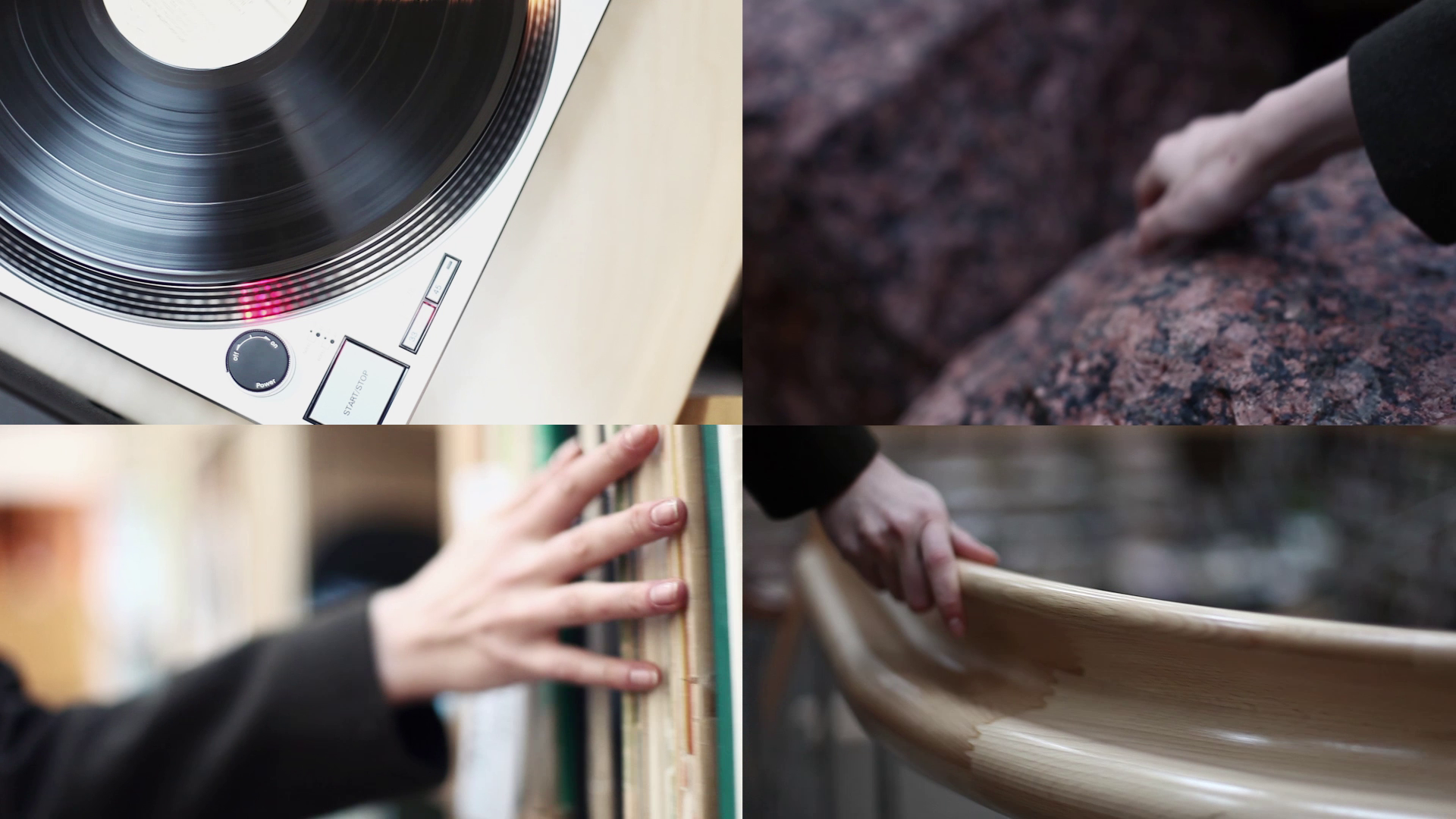
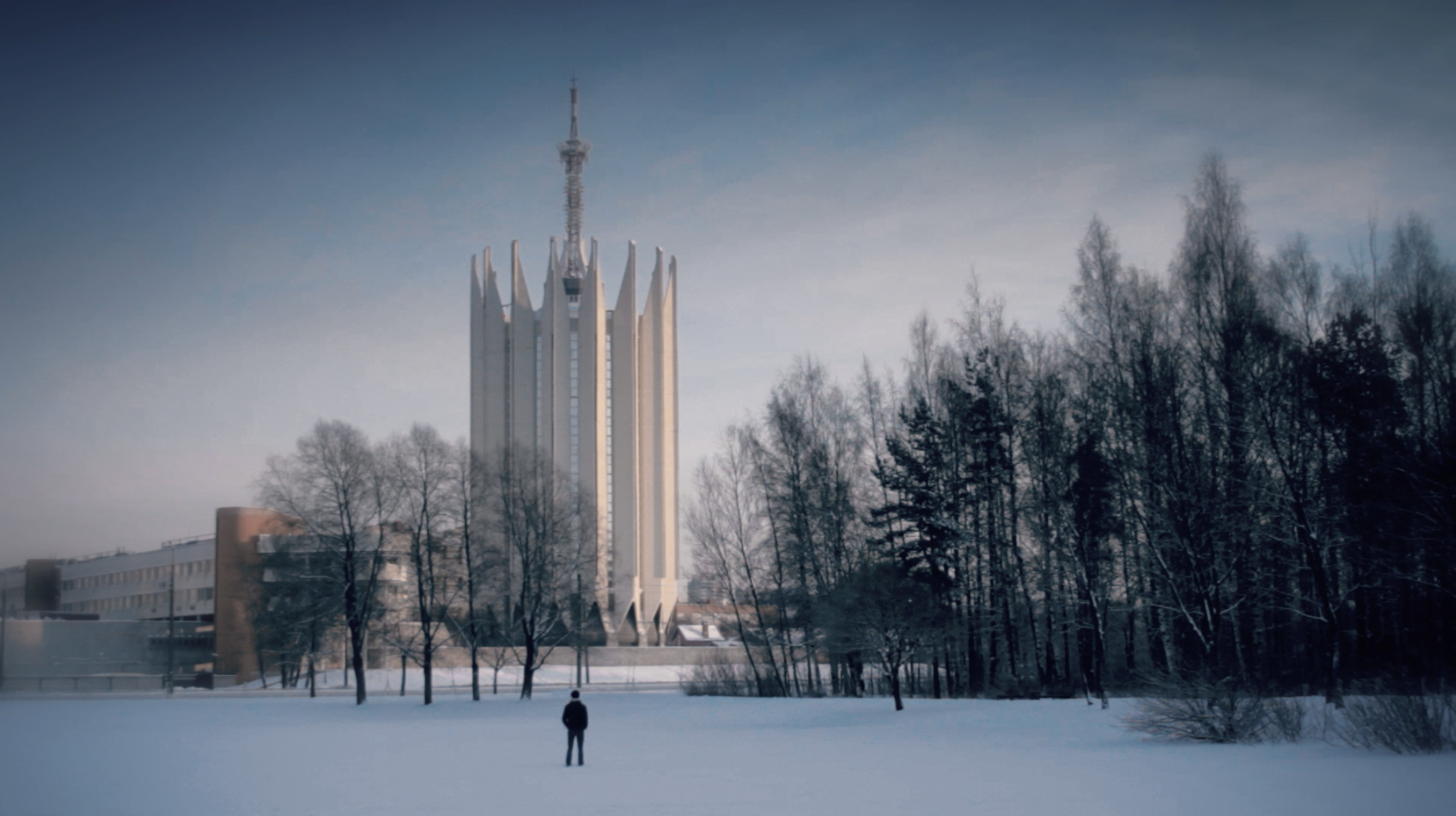
The screening brings together video works by artists from Russia, Finland, and the United States that reflect on the theme of interaction between human beings and space: the natural environment, ecology, and architectural structures in historical and cultural contexts.
Through documentary videos, camera choreography, digital photos, and video collages, the artists convey an emotional sense of «genius loci» – «the genius of the place».
Featuring videos by: Ilkka Pitkänen, Violetta Gunina, Andrey Kalashnikov, Polina Korotaeva, Milja Viita, Simo Saarikoski, Philip Trapeznikov, Yana Pitenko, Svetlana Lysenko, Pasi Autio.
 “
“
Video program 2 — September 14, 5PM
Participants: Alexander Anisimov, Margarita Lysenko, Tatiana Zhukovat, Dmitry Venkov, Marina Fomenko, Andrea Stanislav, Lyudmila Belova, Alexandra Lerman, Maxim Svishev.
Join us for a second Video Art Screening 2, programmed by Victoria Ilyushkina and Dasha Dafis as part of the Chronotop Contemporary Art Festival in Vyborg.
The second video program prepared by the CYLAND archive is dedicated to the interaction of the human being with the city and nature, with architectural sites, with plants and with urban legends. Artists interweave mythological objects, histories of places, memories from the past and thoughts about the future of cities into urbanistic landscapes.
Featuring videos by: Alexander Anisimov, Margarita Lysenko, Tatiana Zhukovat, Dmitry Venkov, Marina Fomenko, Andrea Stanislav, Lyudmila Belova, Alexandra Lerman, Maxim Svishev.
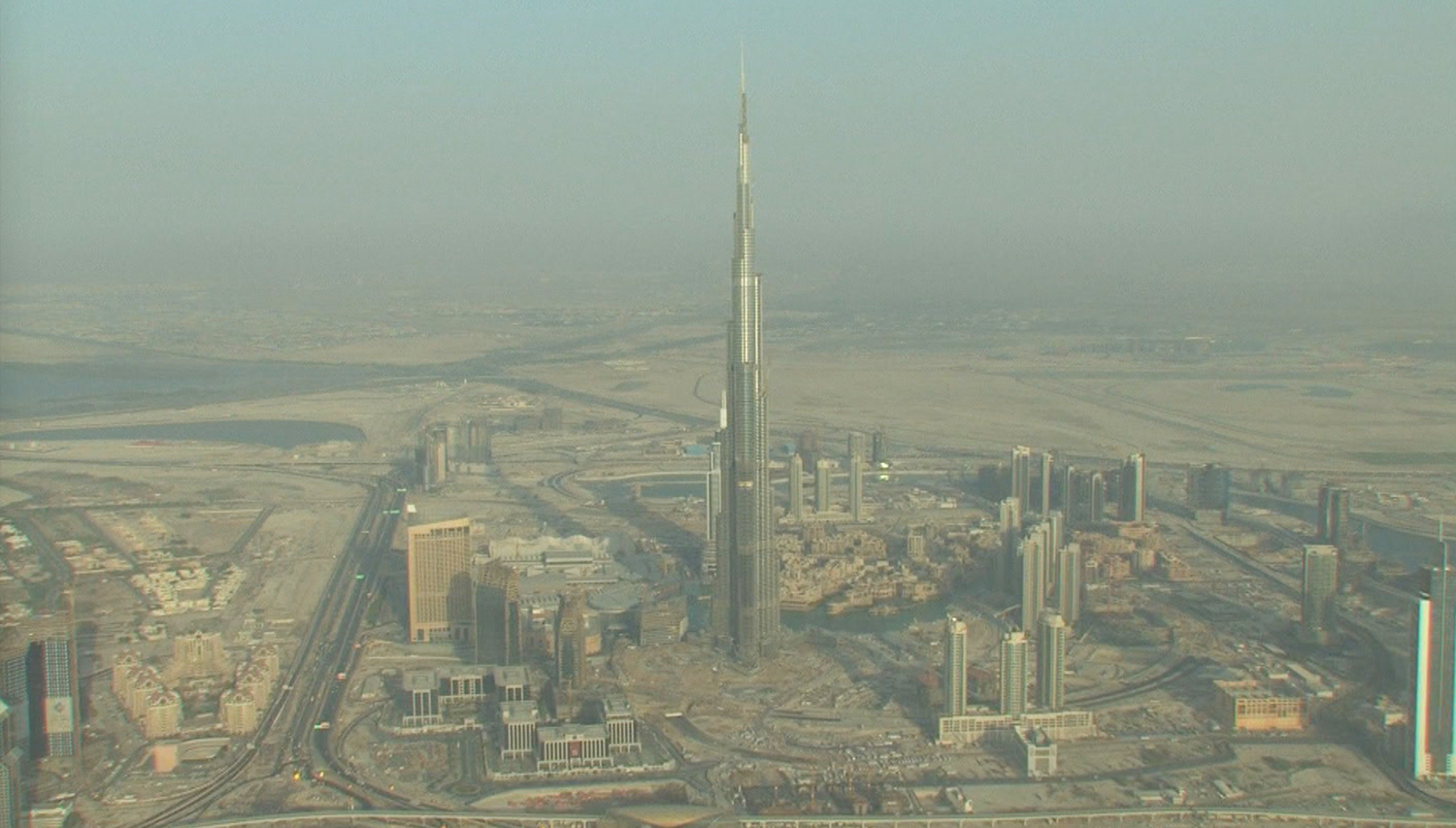
This work is an elegiac meditation on the grandiose architecture of Dubai, the laborers who built the city in “half a generation”, and its pending environmental decline — a visual iteration of the manifest destiny of global capital. Emerging as a dystopic, soulless vision of the future, notions of civil society, individual rights, and identity are subsumed in the logic of capital. The video’s structure, ‘Eve Democracy’ character and sound remix are illuminated by Jean-Luc Godard’s 1+1 (Sympathy for the Devil), with its deliberate and inherent embrace of contradiction, which enables both a fractured narrative and a meta-narrative to operate simultaneously.
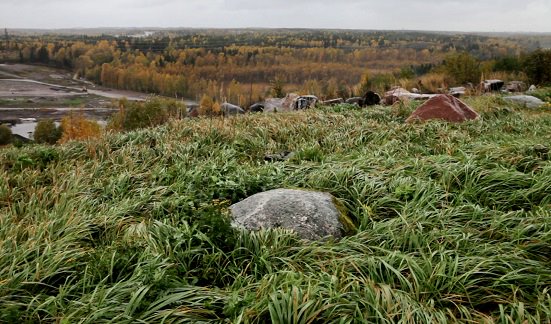
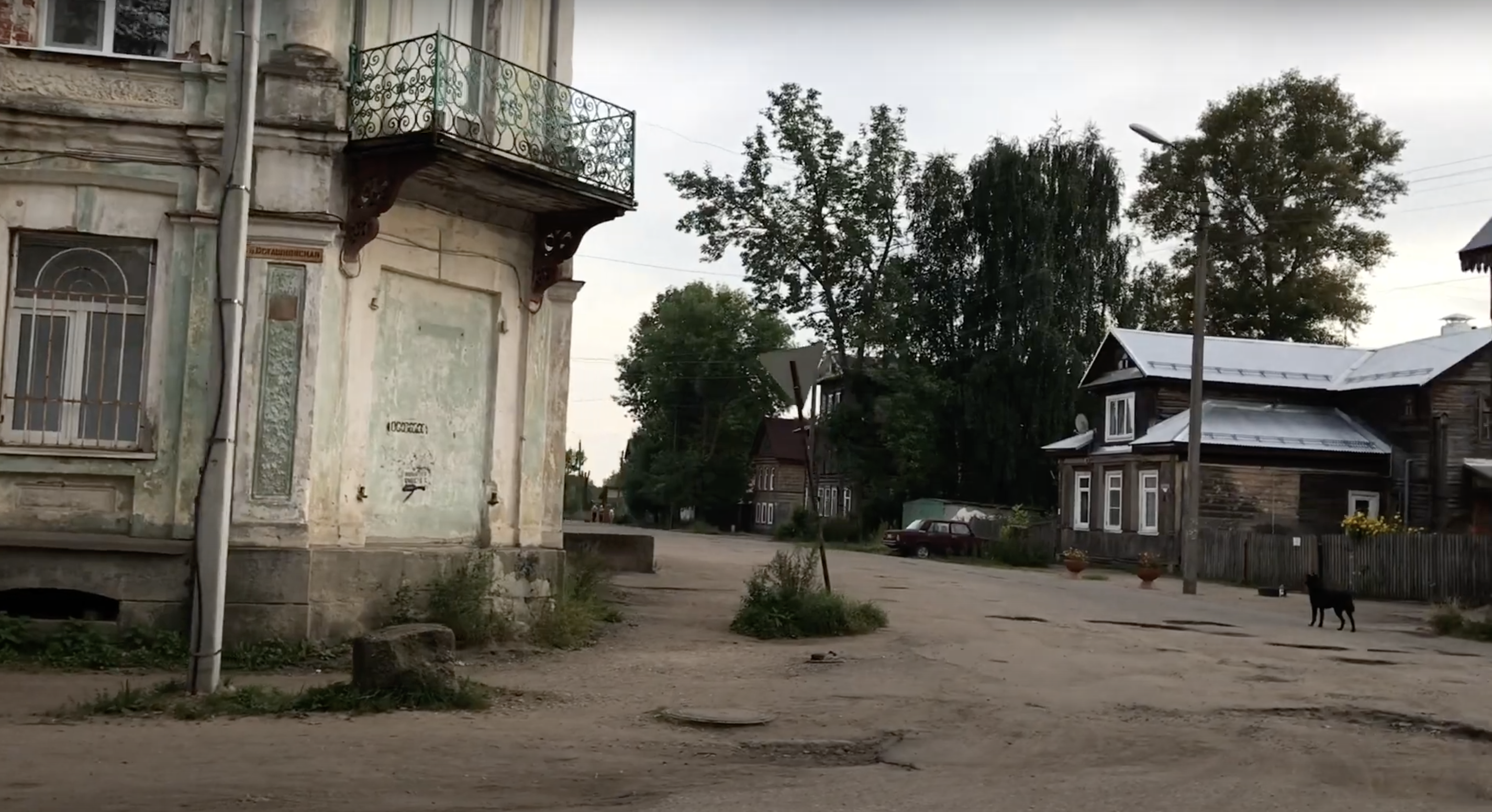
 The artist travels through Russia, completing her journey in the town of Vyshny Volochok. She observes the changes that the city has experienced over the last decades. The town is a picture of a place abandoned to the whim of fate: canals with murky green water, crumbling granite embankments, a school that looks like it has been bombed, with empty window frames, and abandoned fields filled with hogweed. In the place of collapsed wooden houses, the ubiquitous red and green stores of the “Pyatyorchka” and “Magnit” chains move in, and a “Diksi” store has even occupied the former “Rodina” cinema.
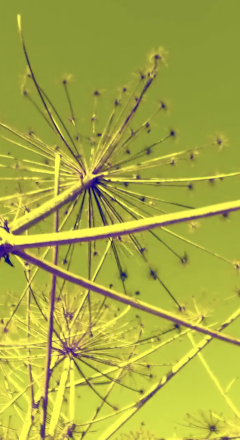
 The video takes its inspiration from the
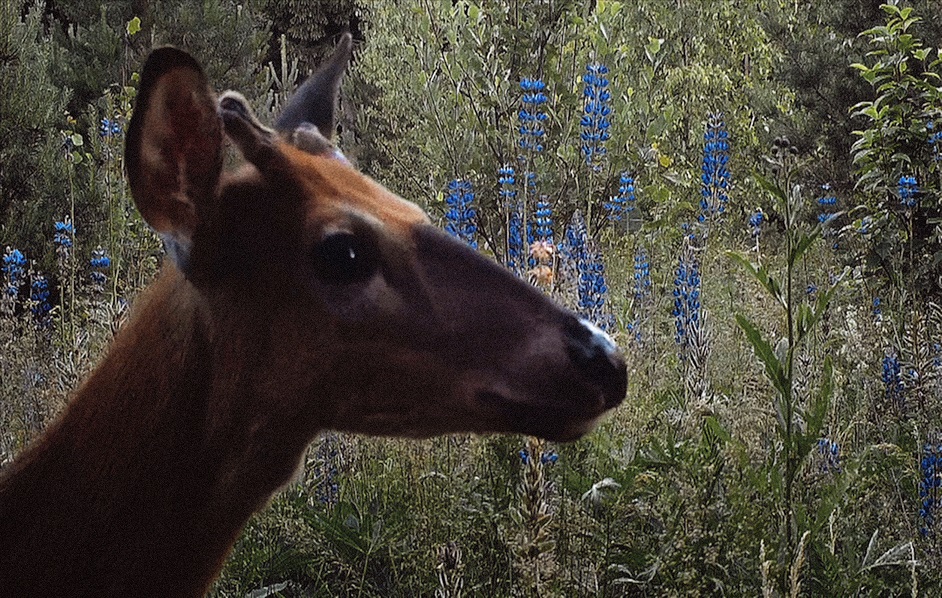
 song “The Return of the Giant Hogweed”, released by the British rock group Genesis in 1971. The song warns of the apocalyptic spread of the poisonous plant Heracleum mantegazzianum (giant hogweed), after it was “captured” in the hills of the Russian Empire and brought to Britain by Victorian botanists. The lyrics of the songs are filled with ironic humor and describe an anthropomorphized plant which is on a mission to destroy the human race. The video “The Return of the Return of the Giant Hogweed” is an updated version of the story told in the Russian language, looking at the era of the cold war half a century later from the viewpoint of the giant hogweed itself, telling the story of its fall.
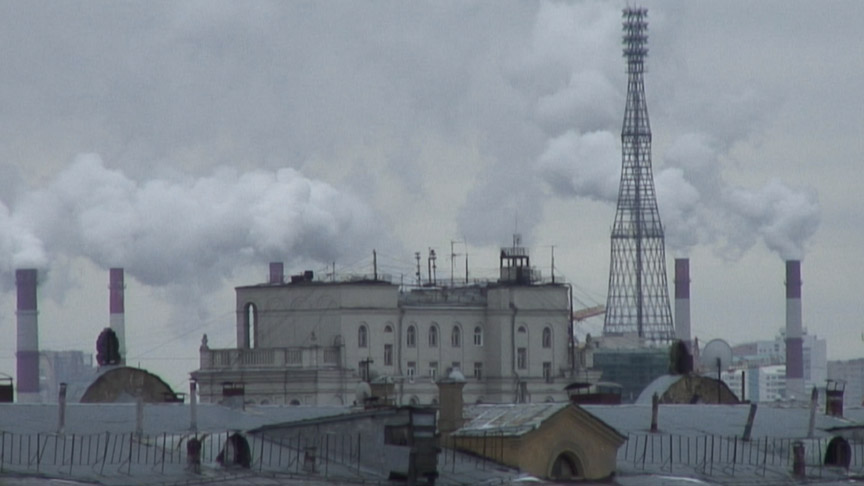
 High technology enters the urban space, becoming part
  of it. Using the cinema 4D computer program, the artist creates imaginary kinetic sculptural compositions – mutants of civilization, and places them in the environment of the modern city.

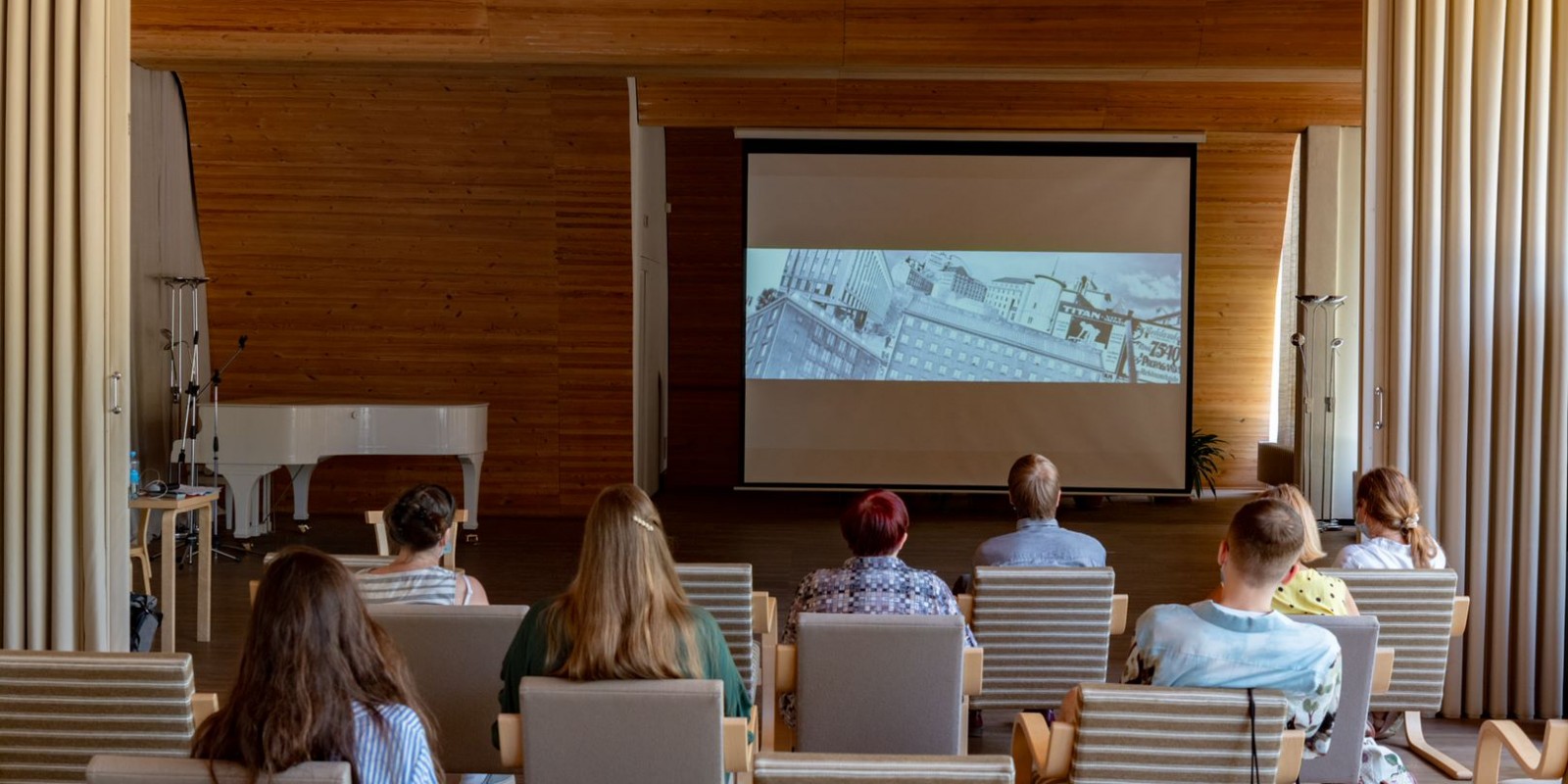
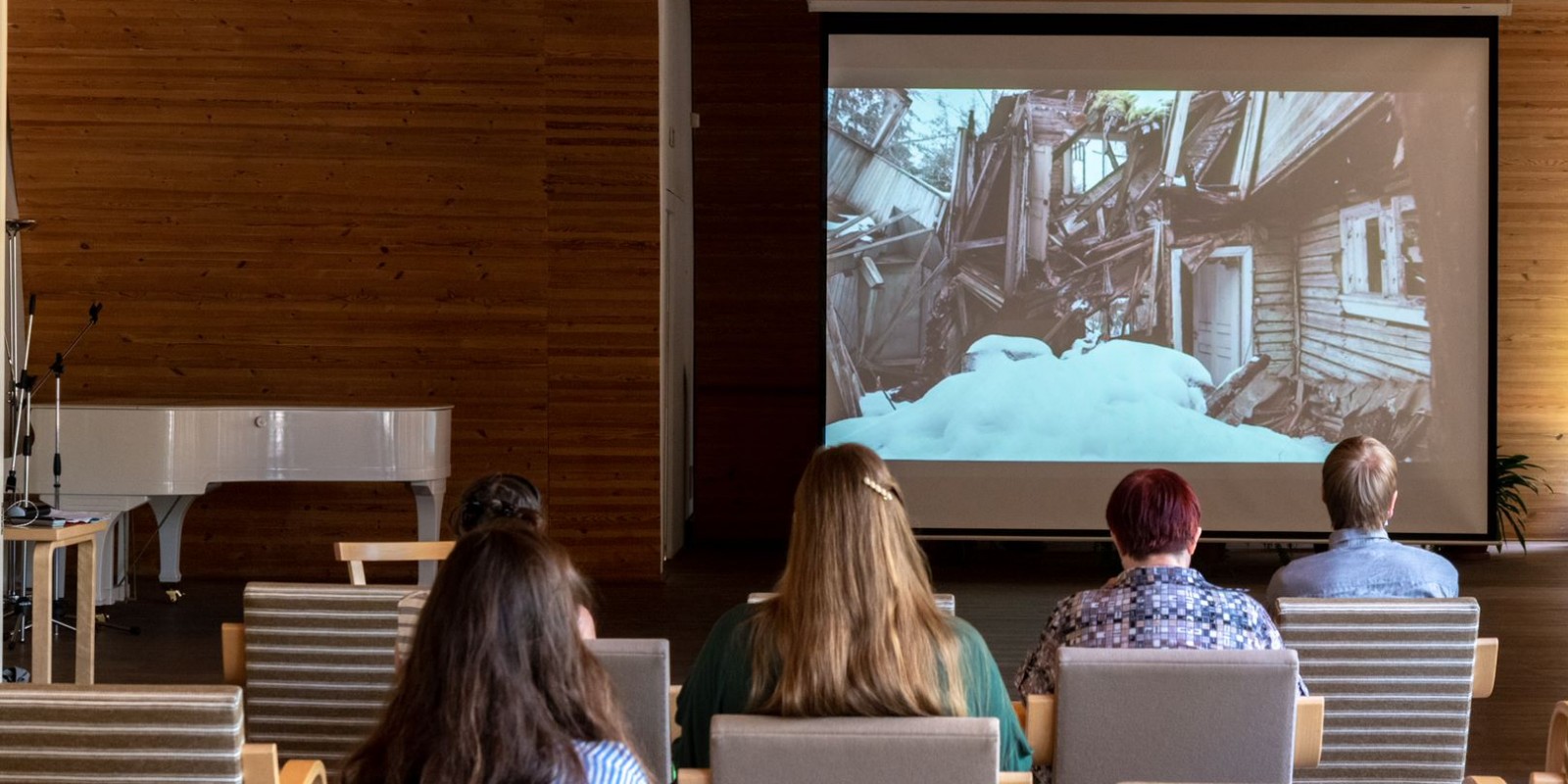
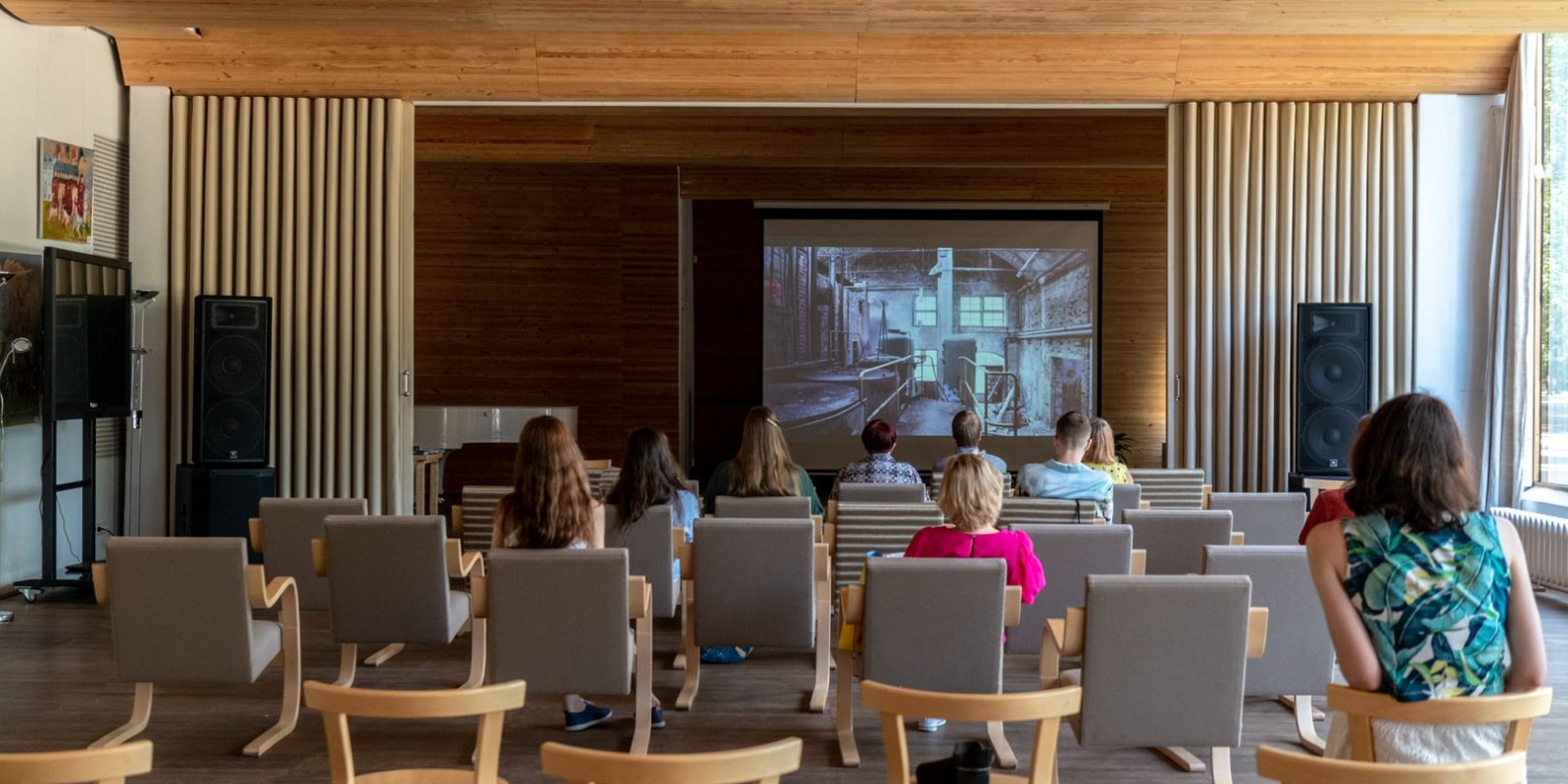
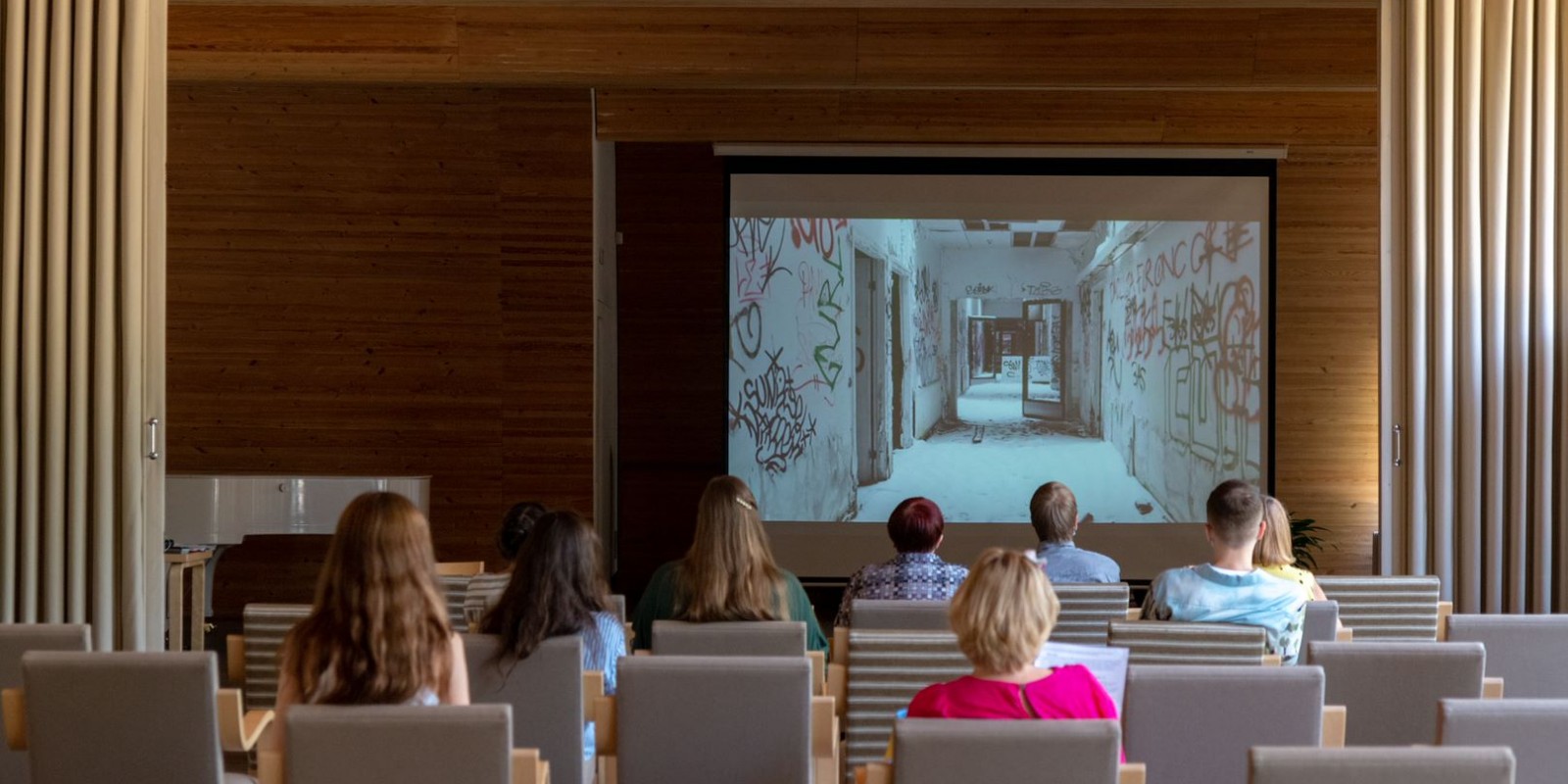
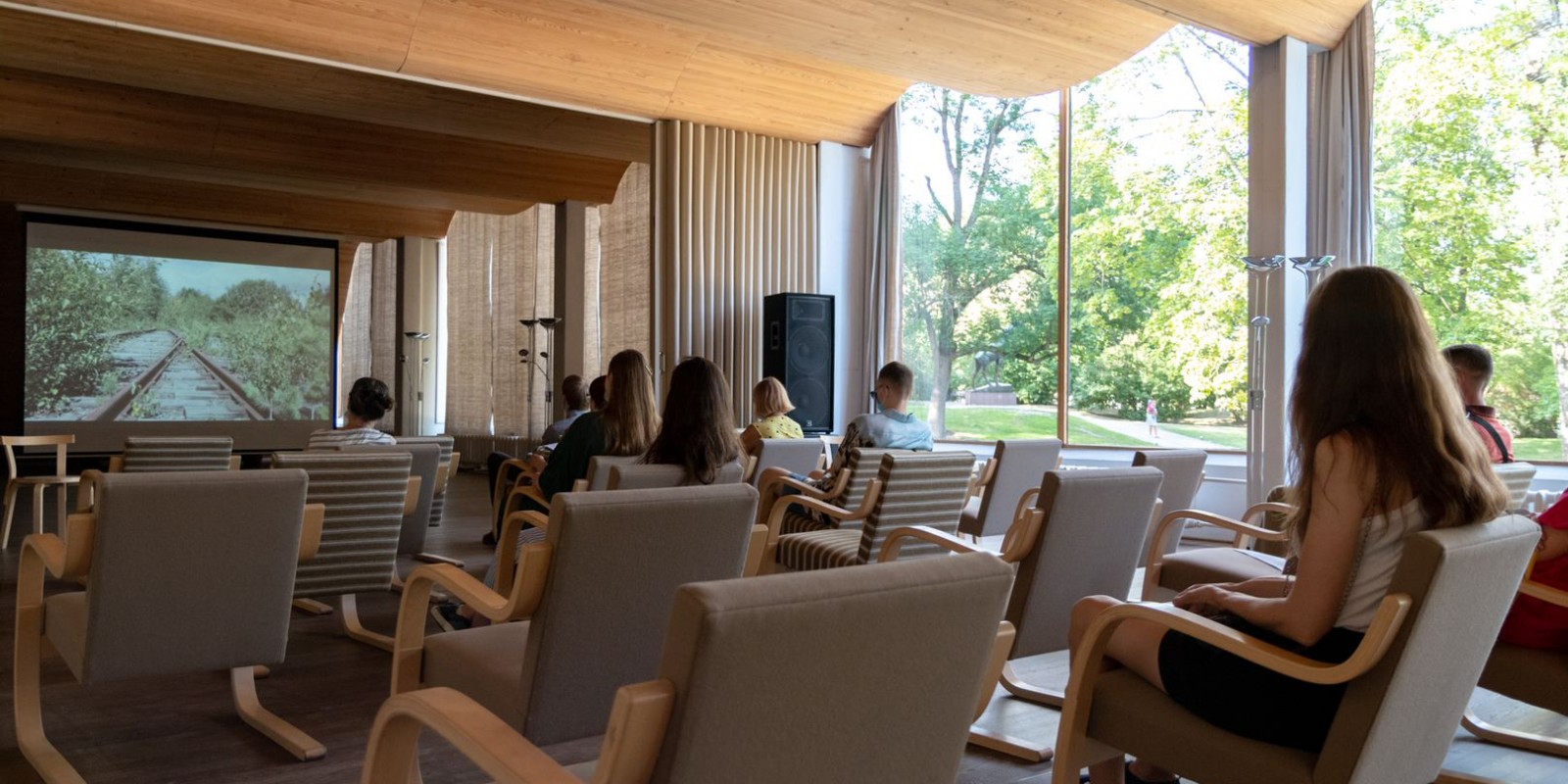
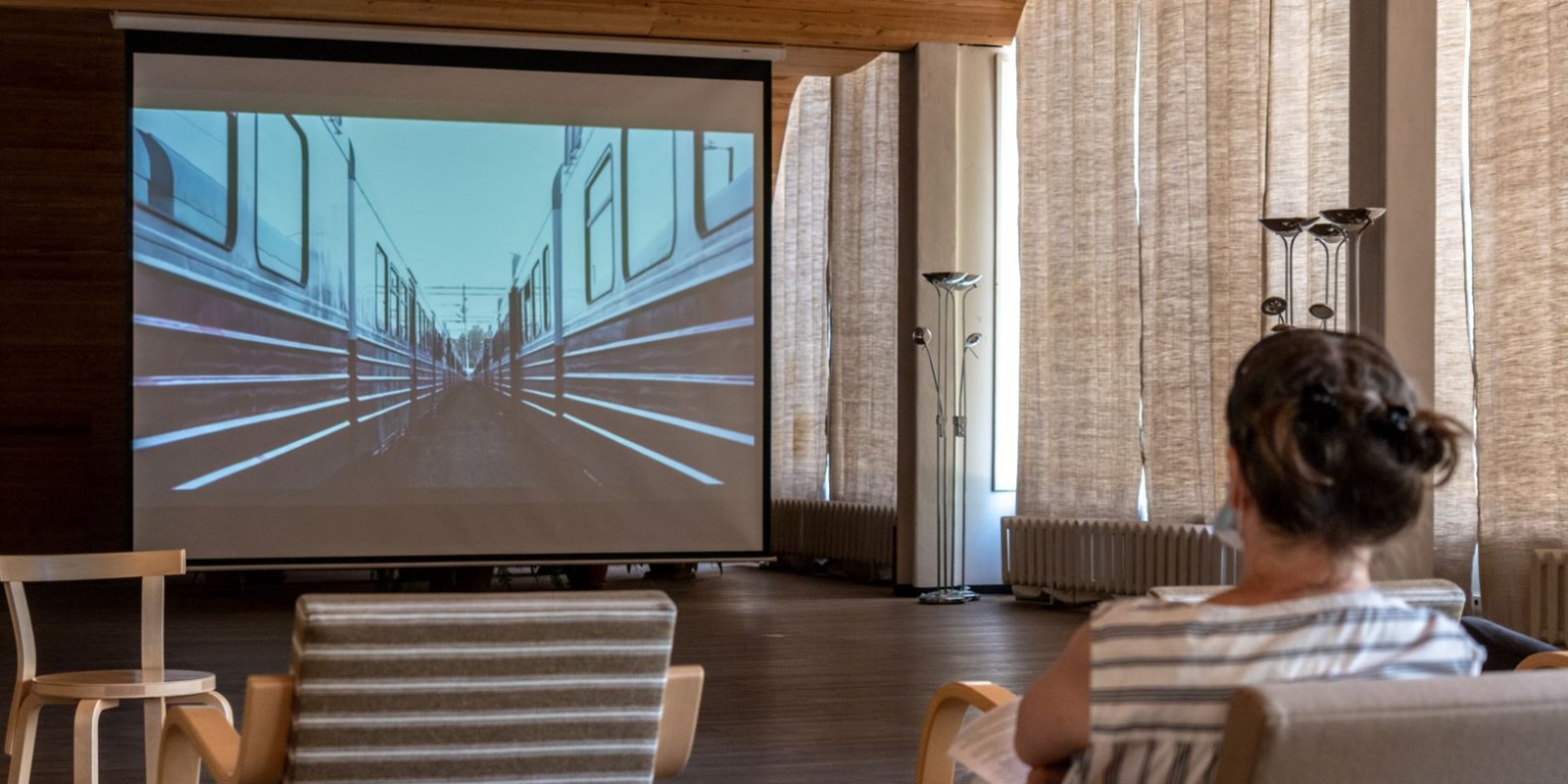
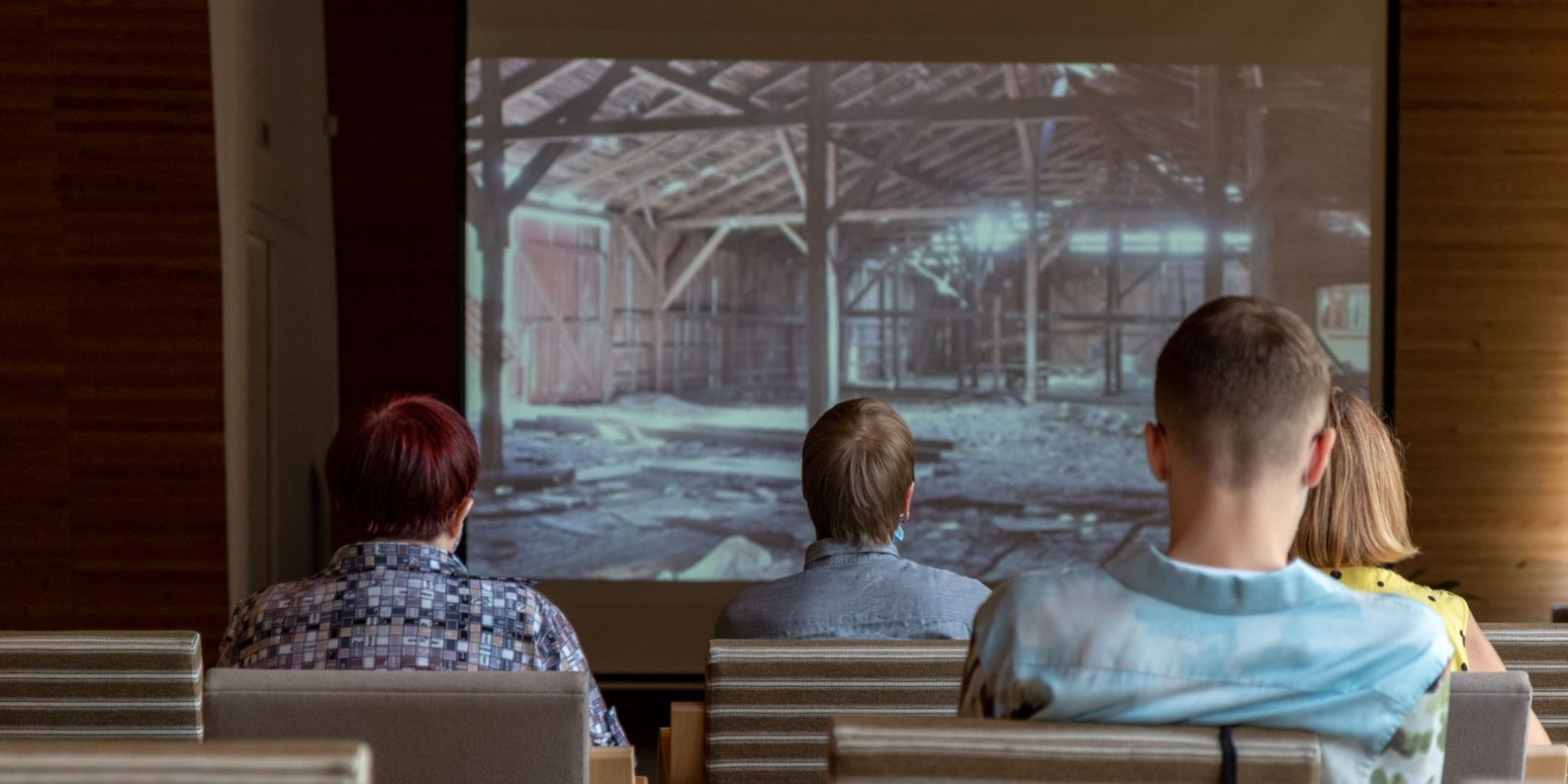
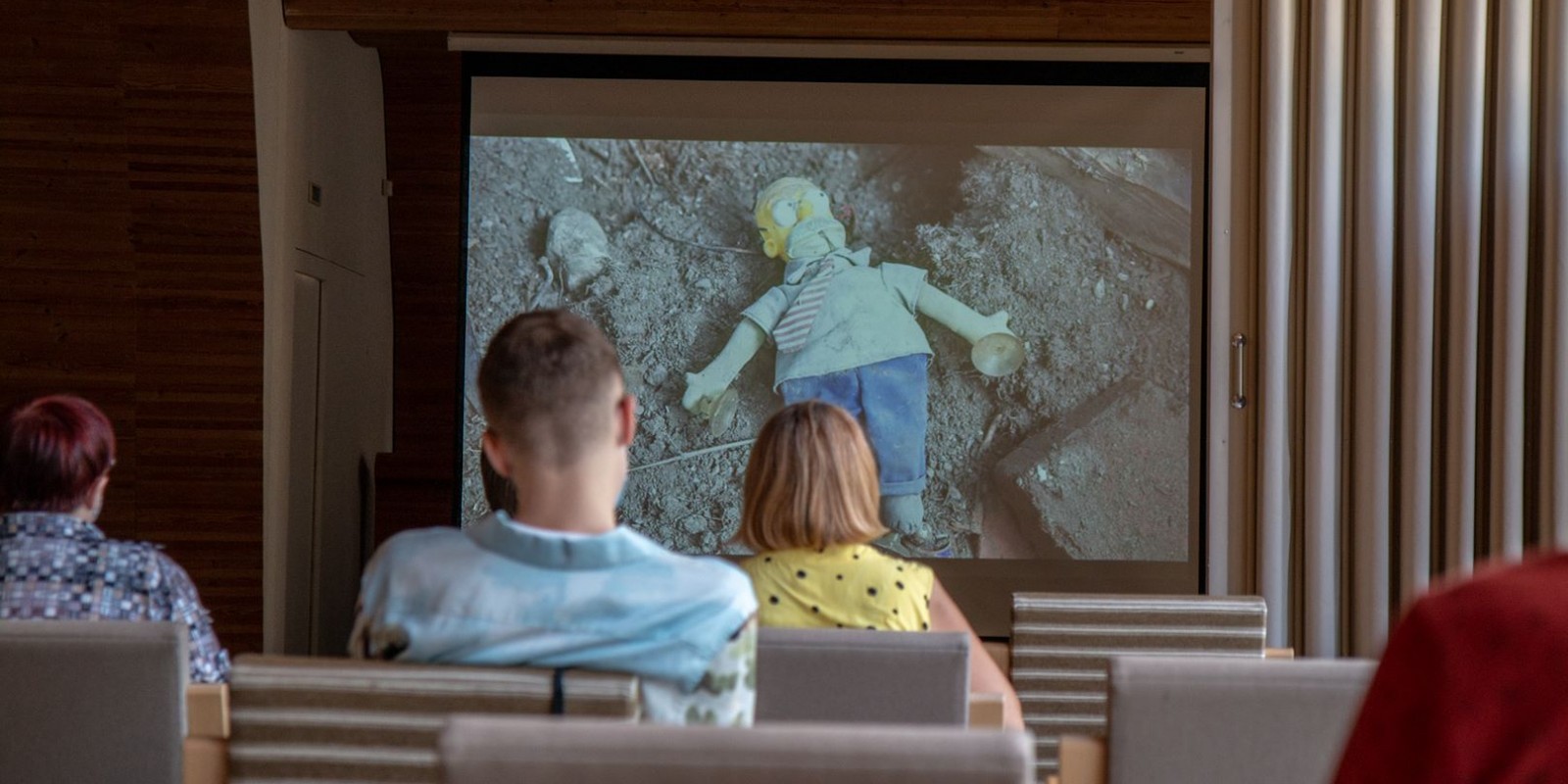
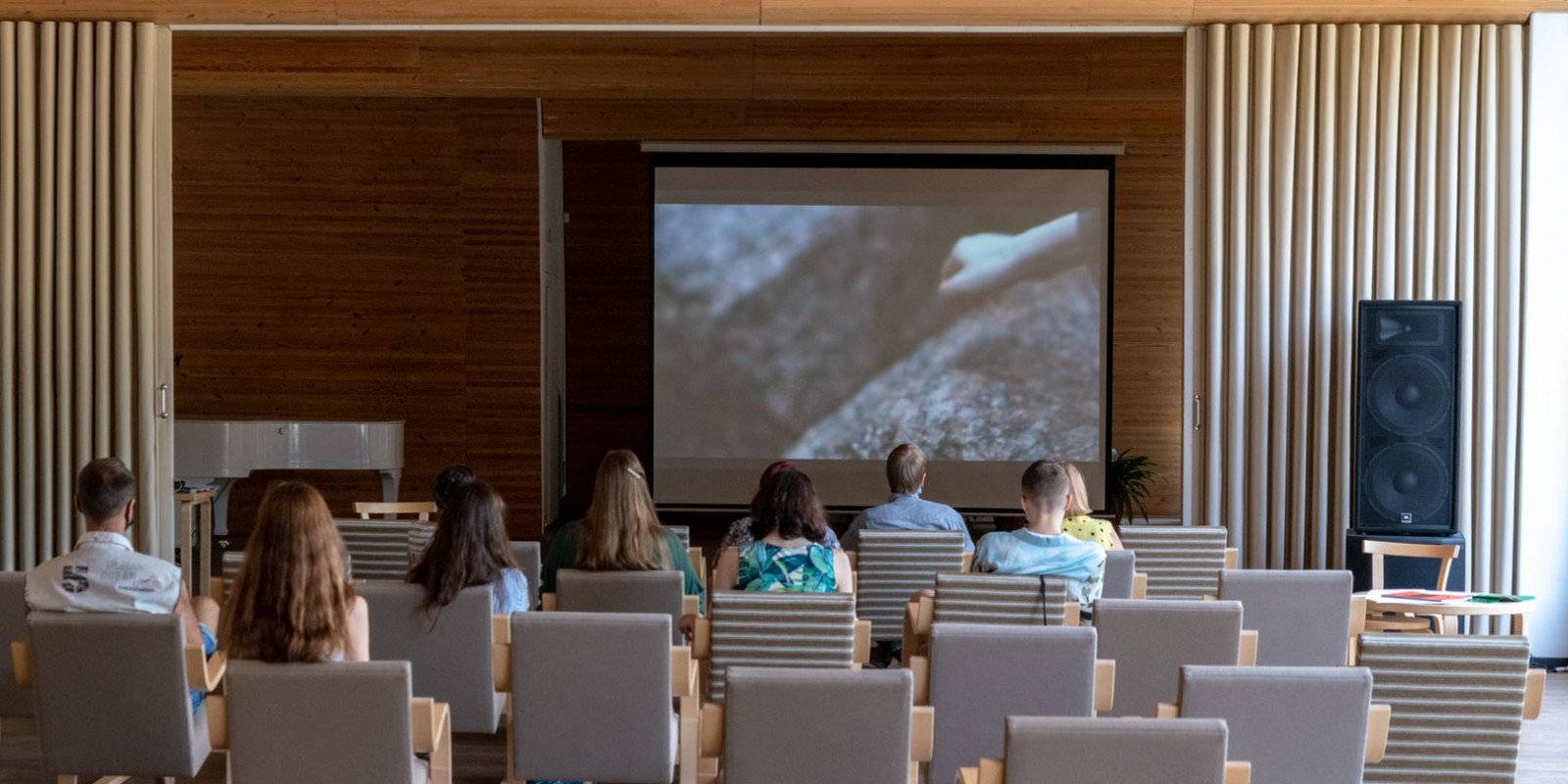
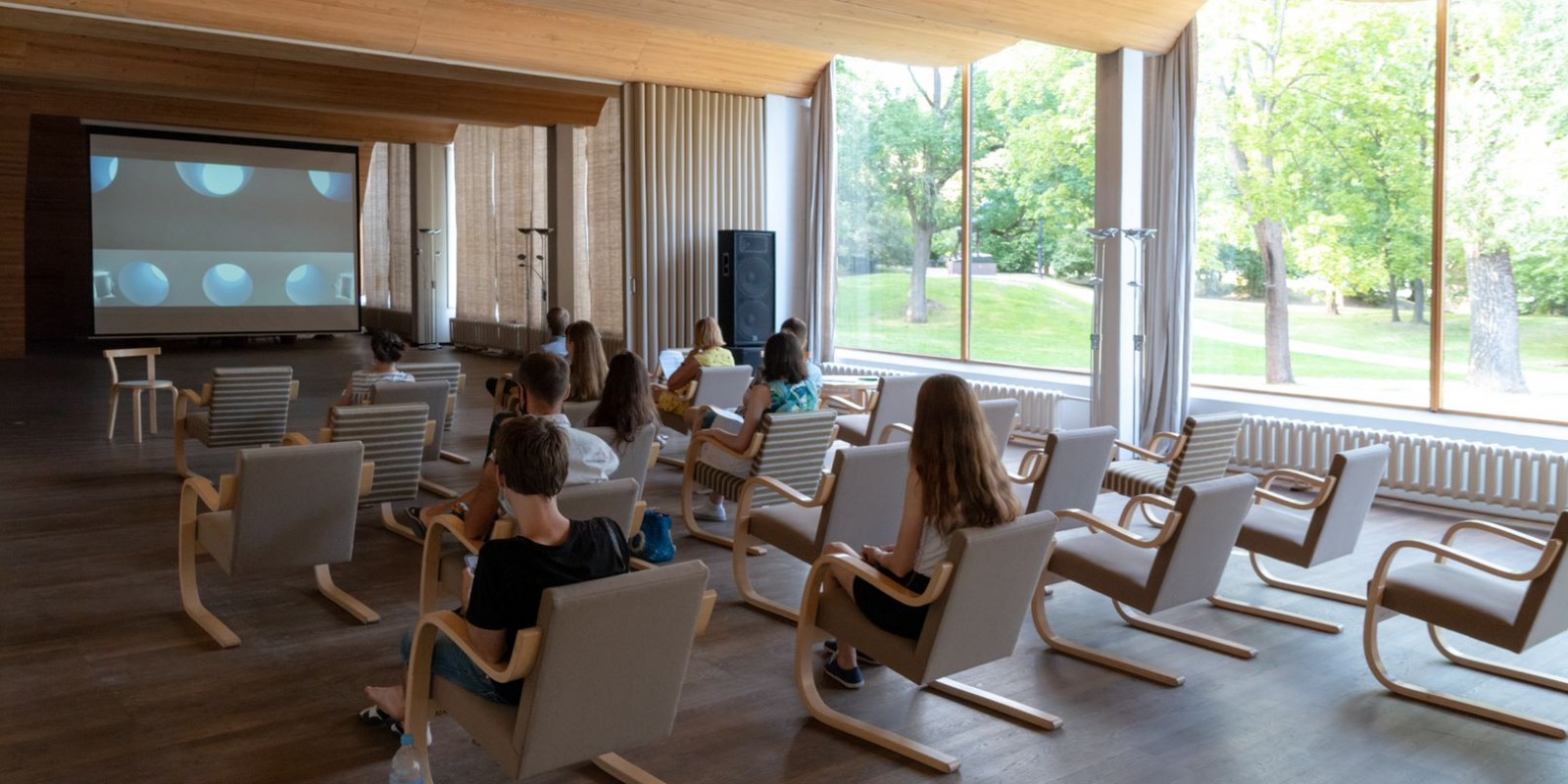
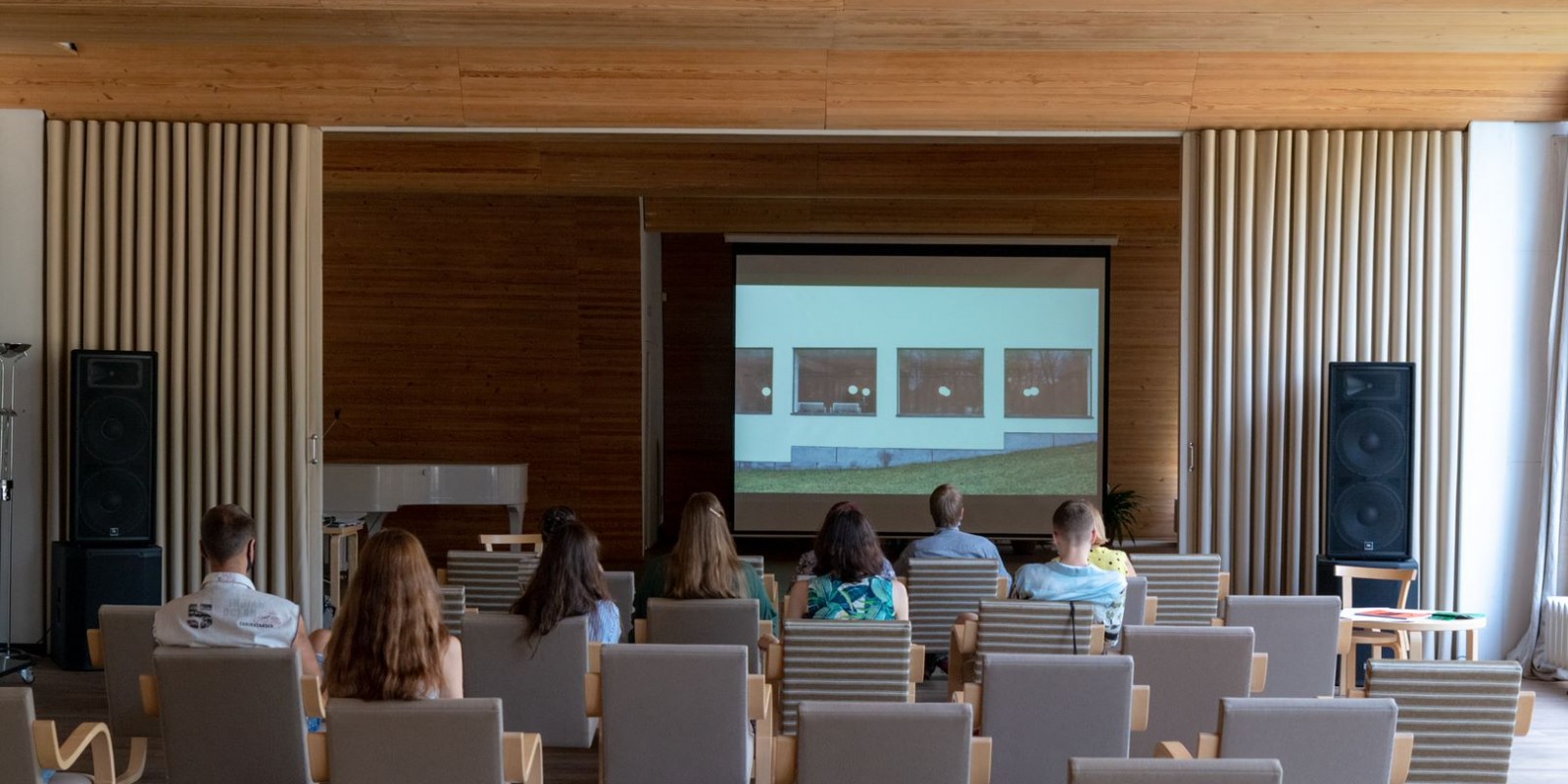

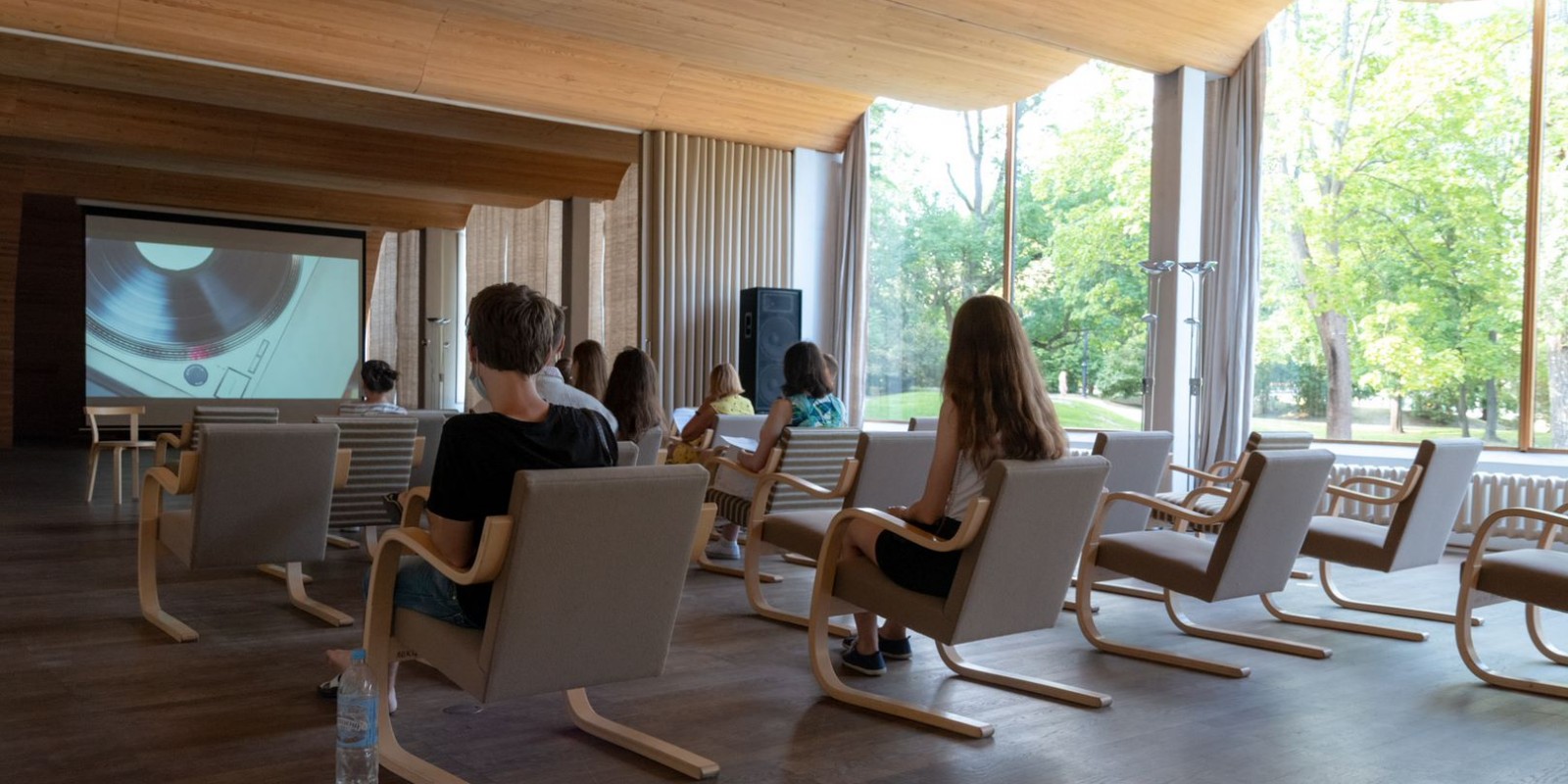
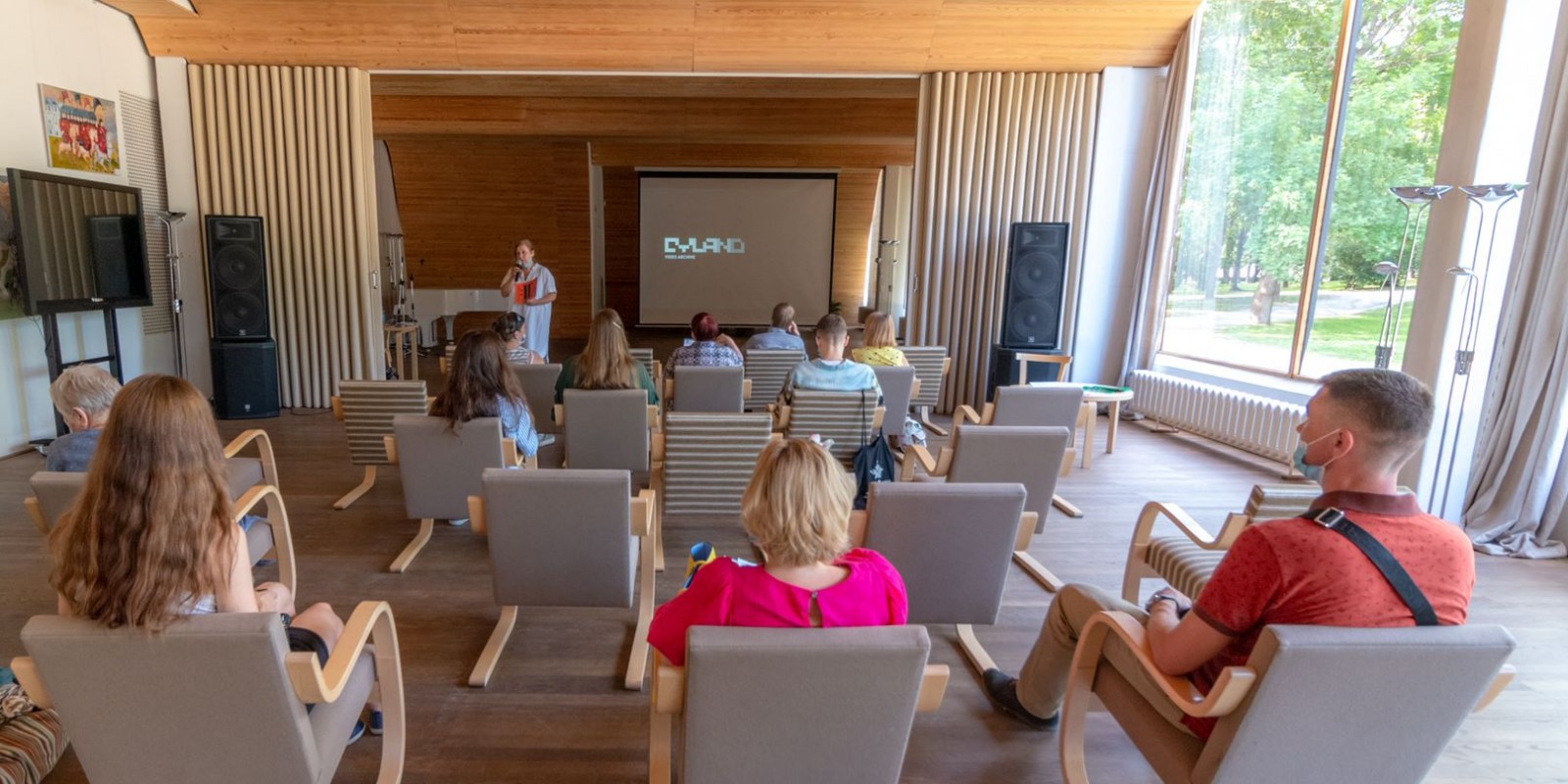
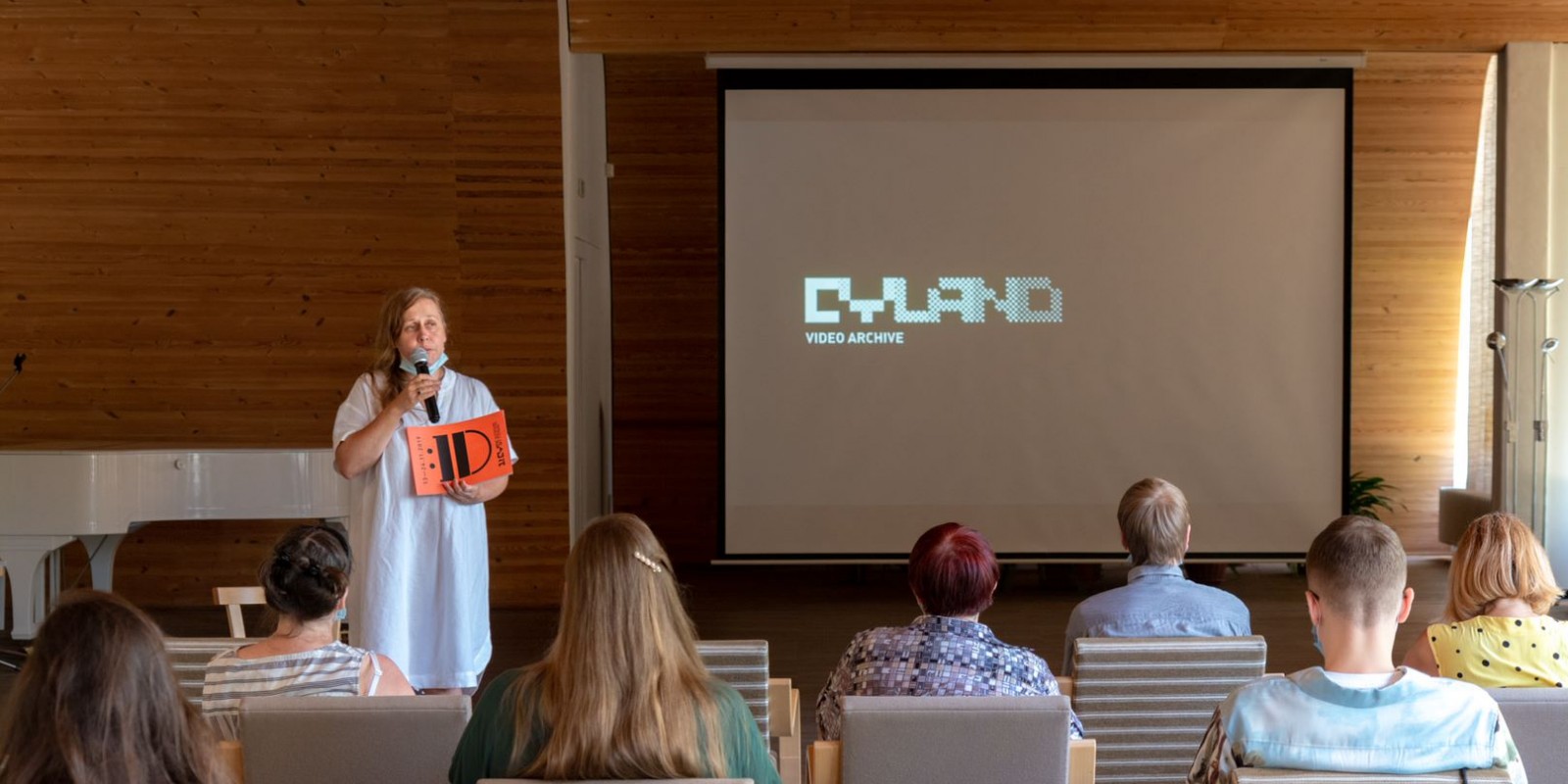
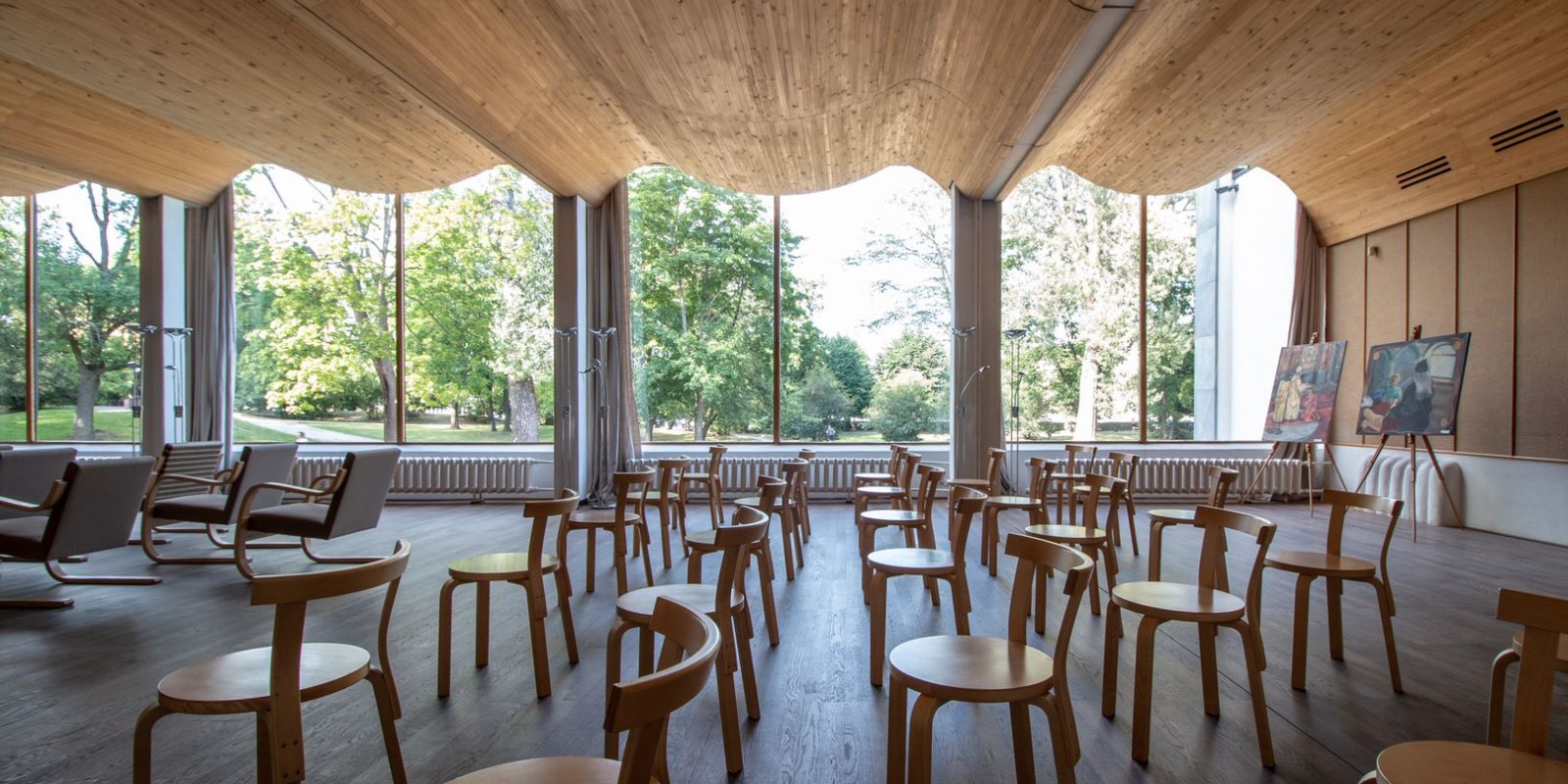
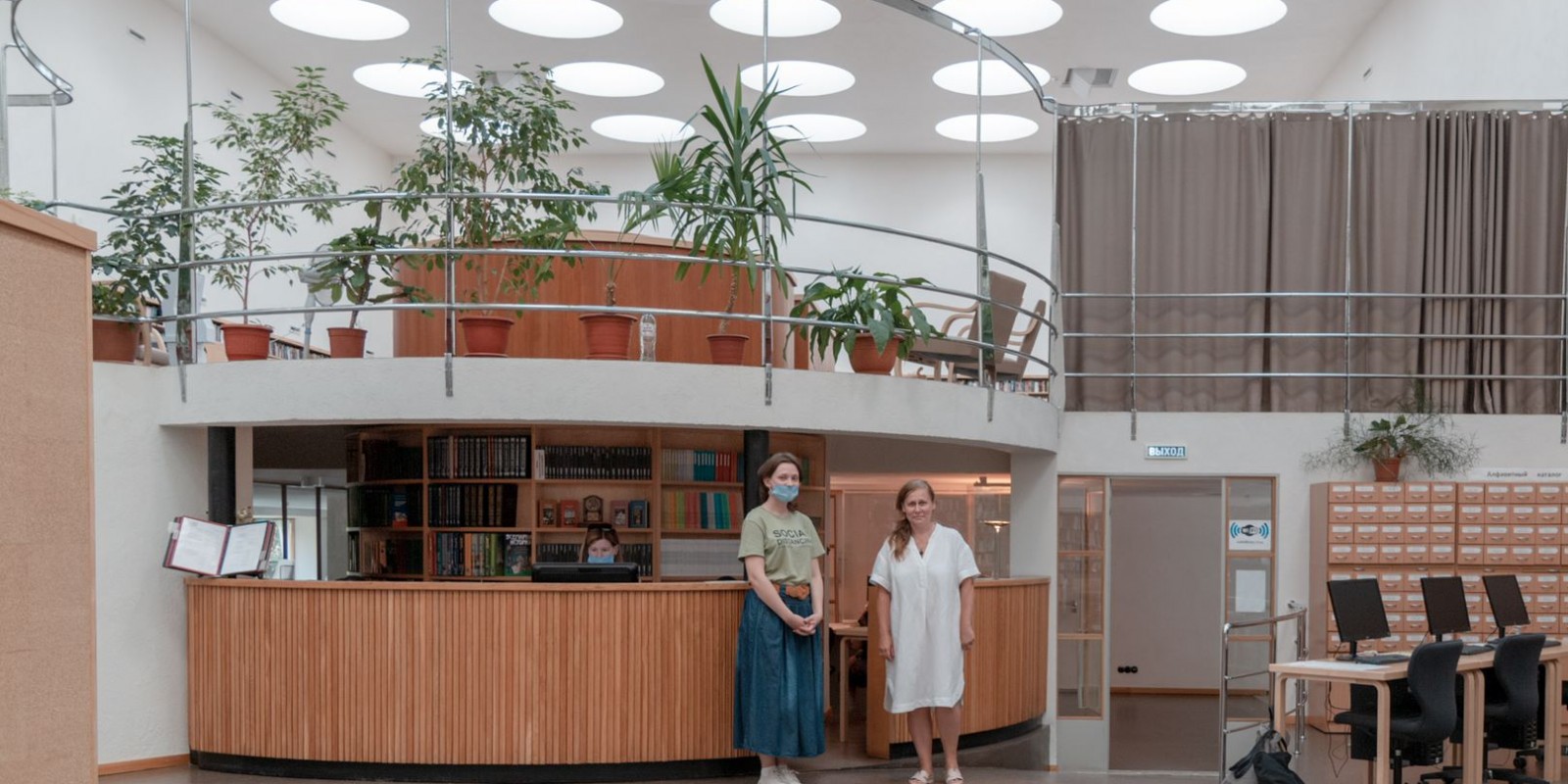
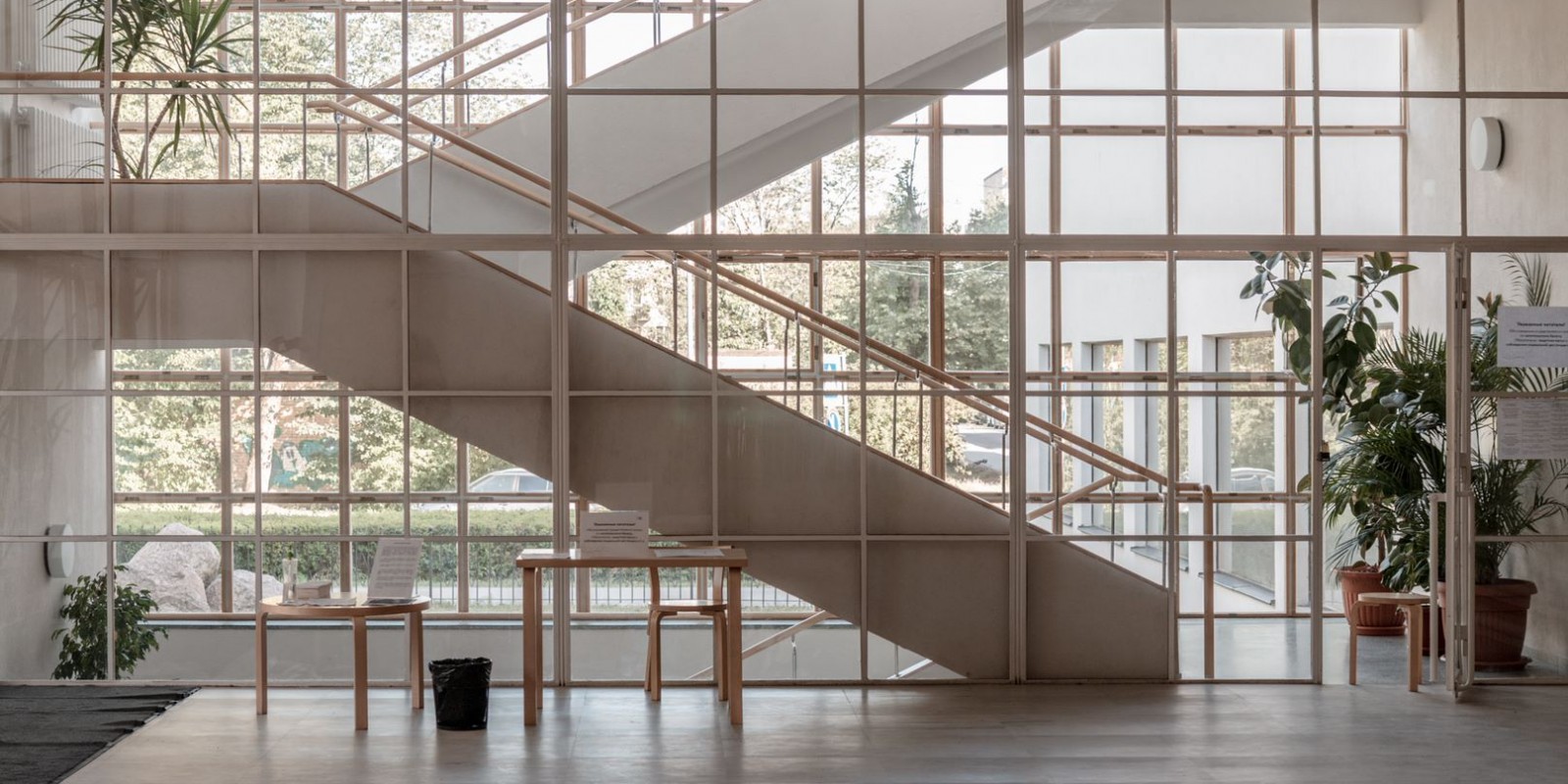
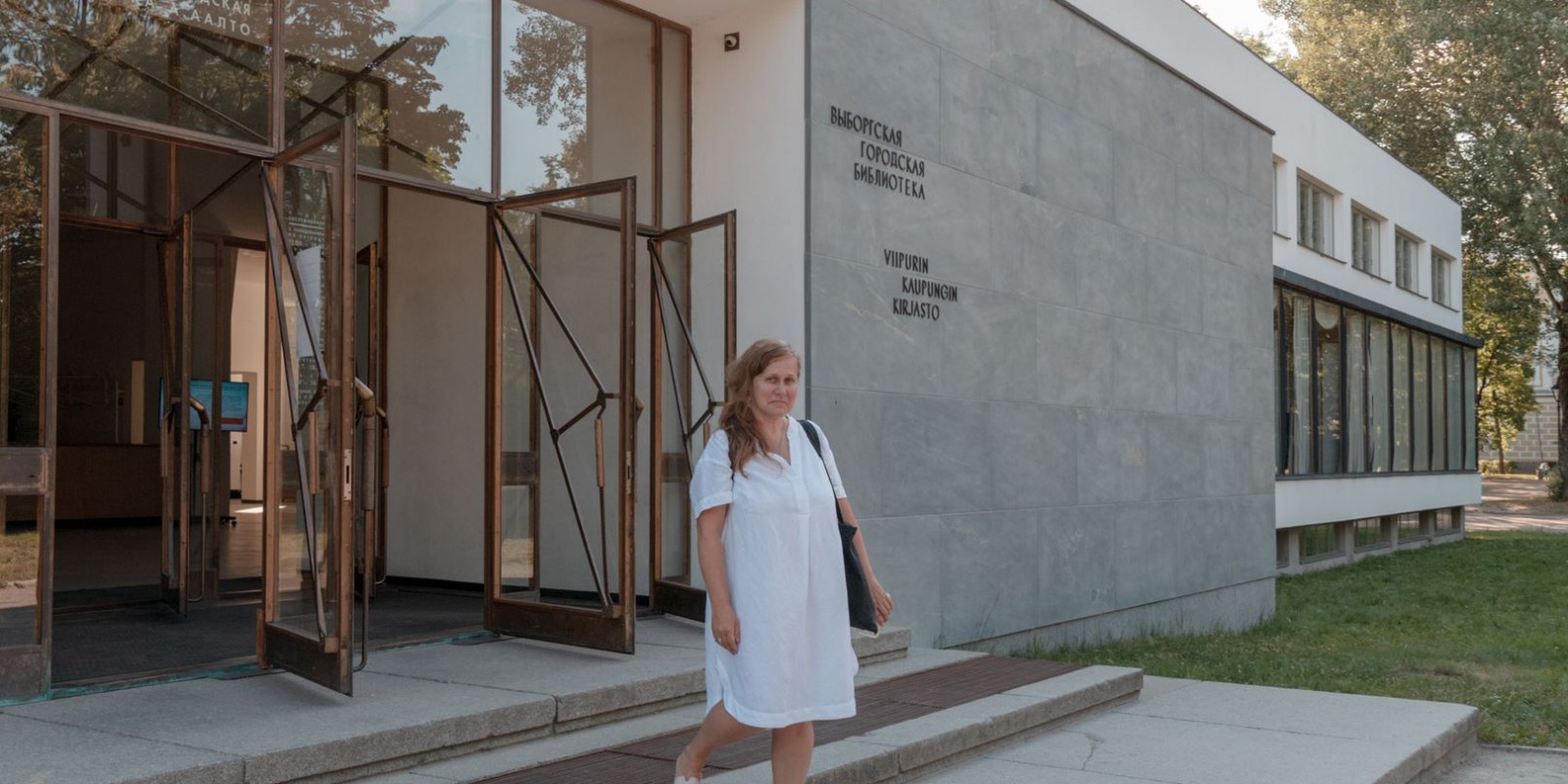
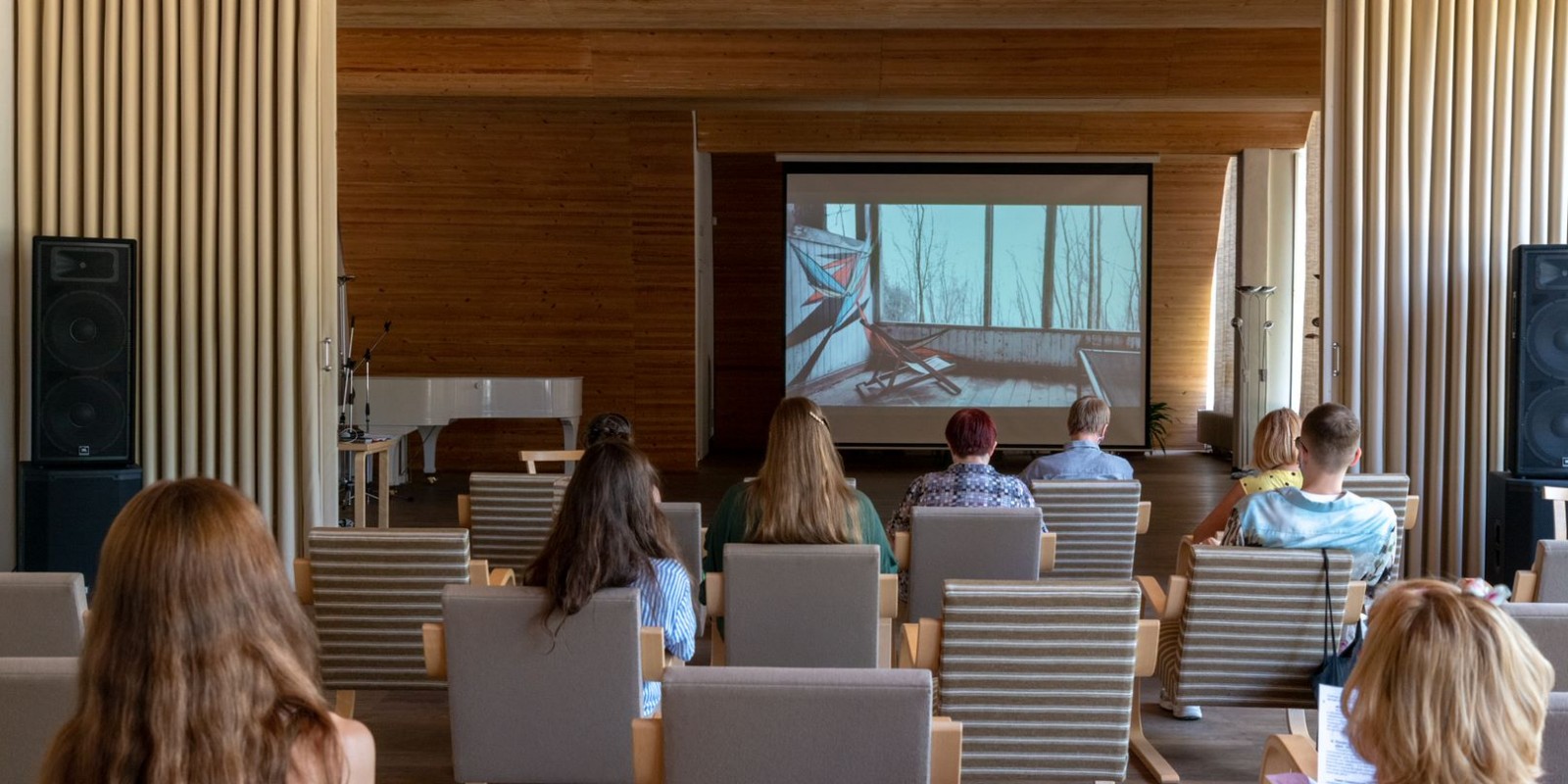
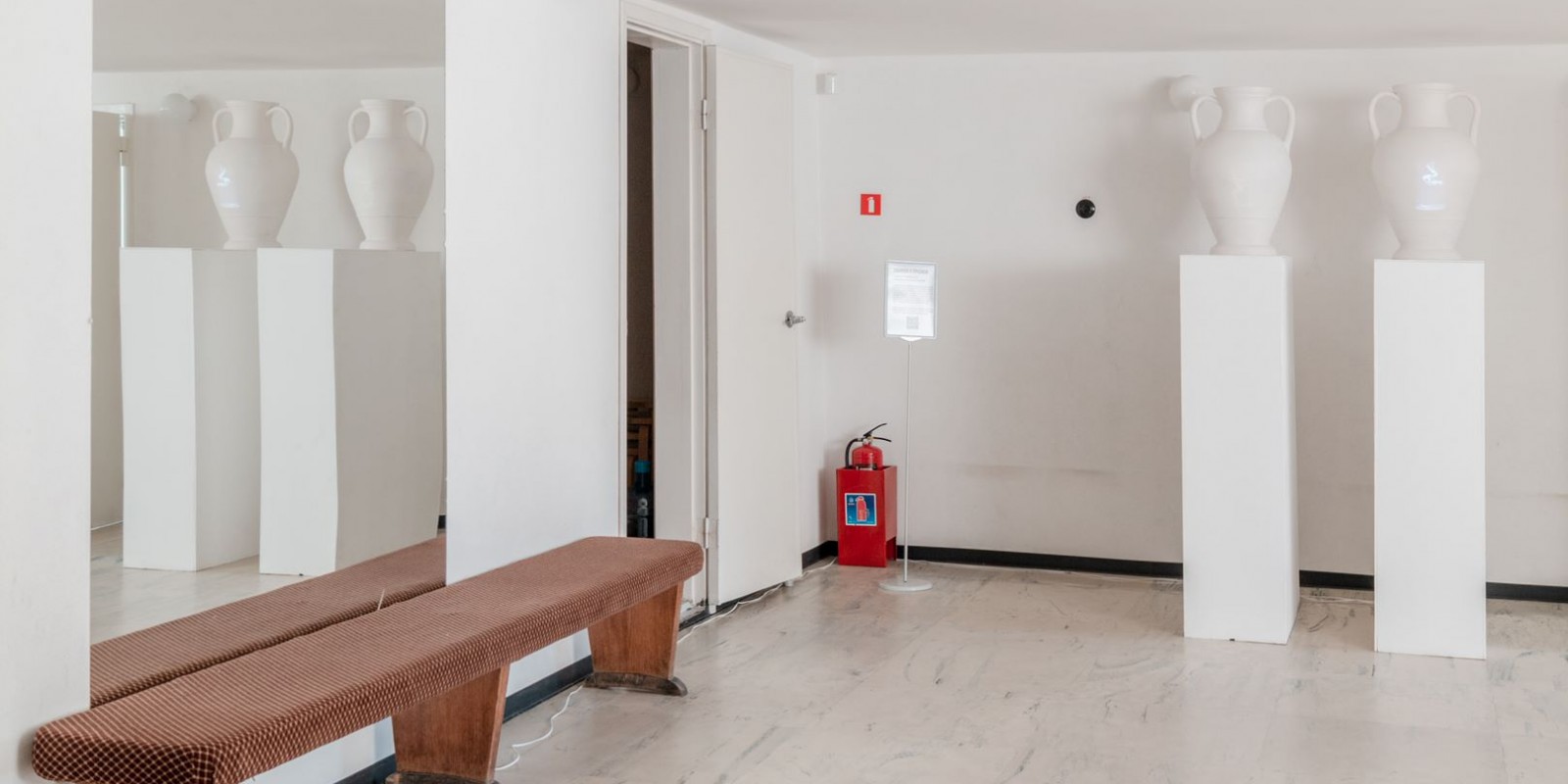

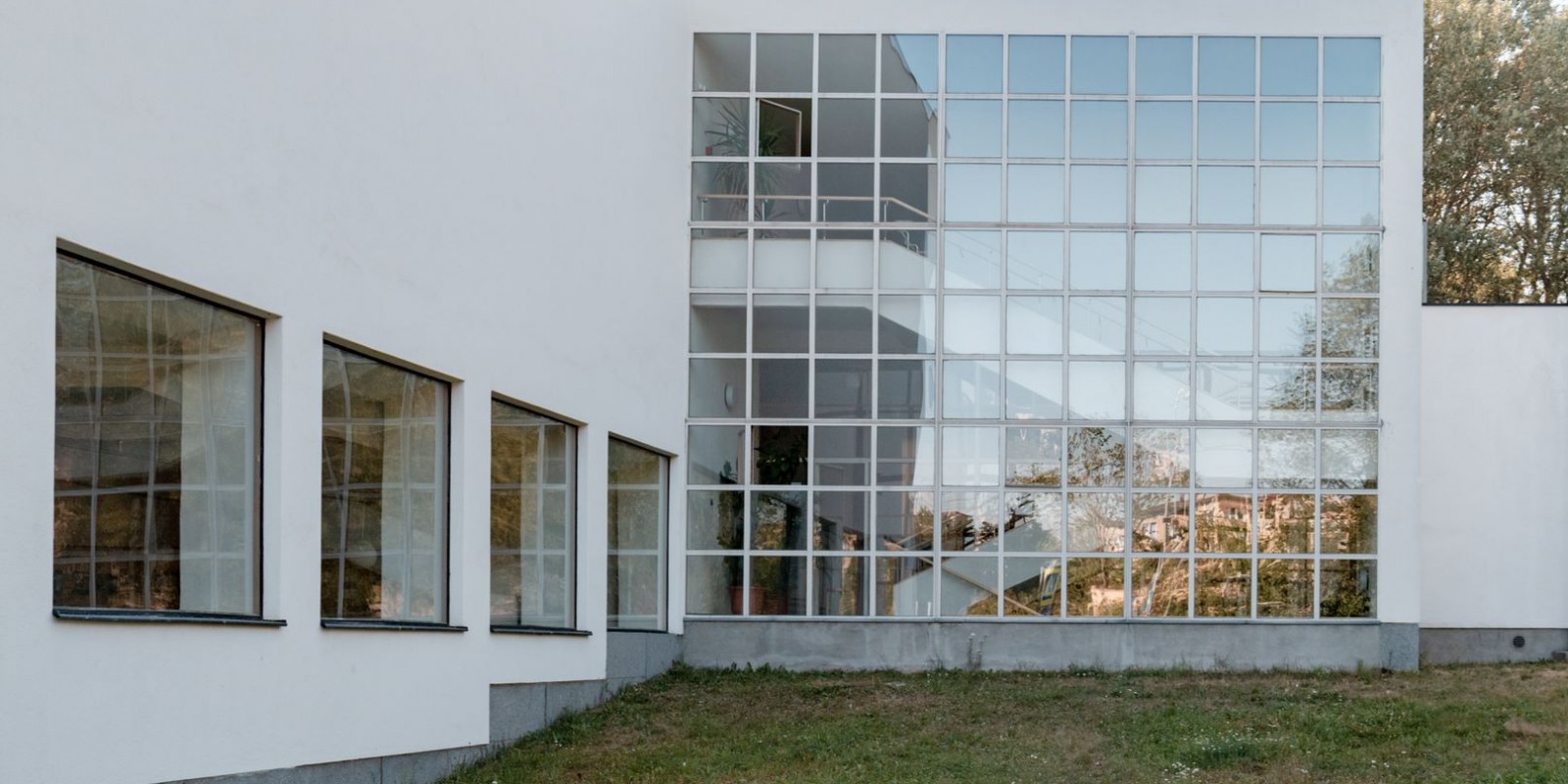
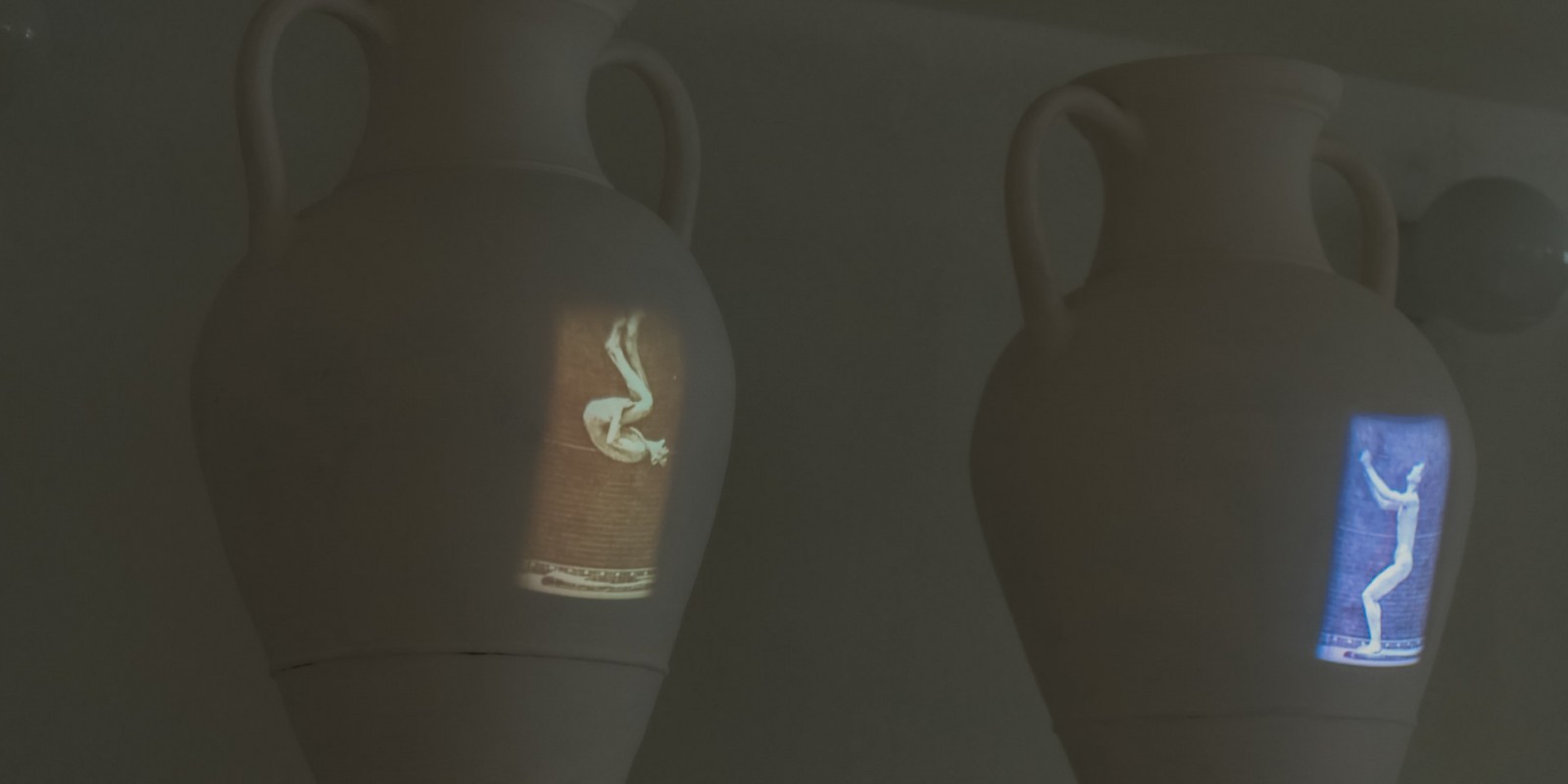
Photo: Anton Khlabov